
Table of Contents
In Arknights: Endfield, base building is not just some side feature you can ignore. The Automated Industry Complex (AIC) is basically half the game. You'll be spending a lot of time here, and honestly, that's a good thing once you get the hang of it. Understanding the base building system in this game is crucial, and here’s a guide to help you do that.
What is the AIC System?
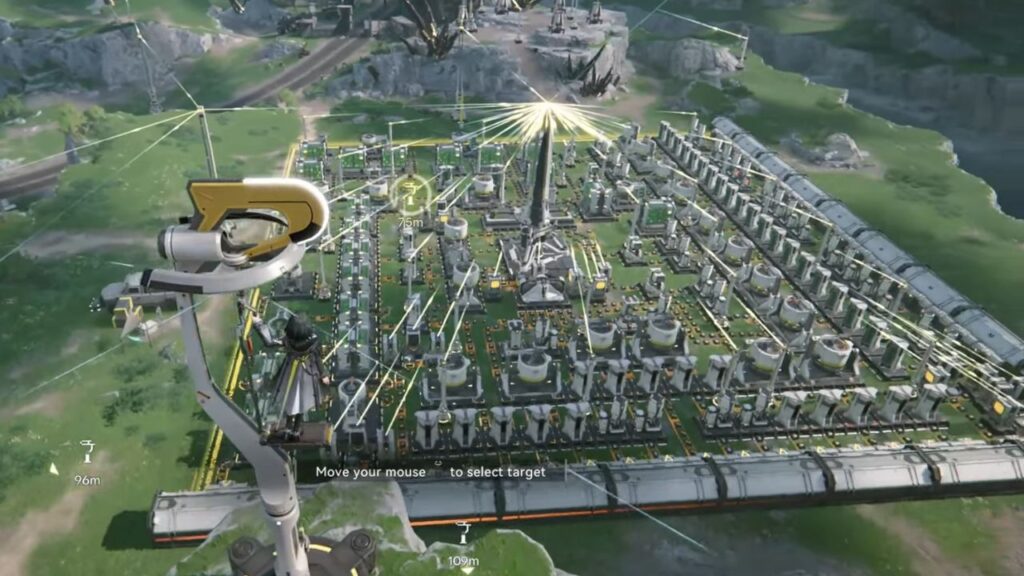
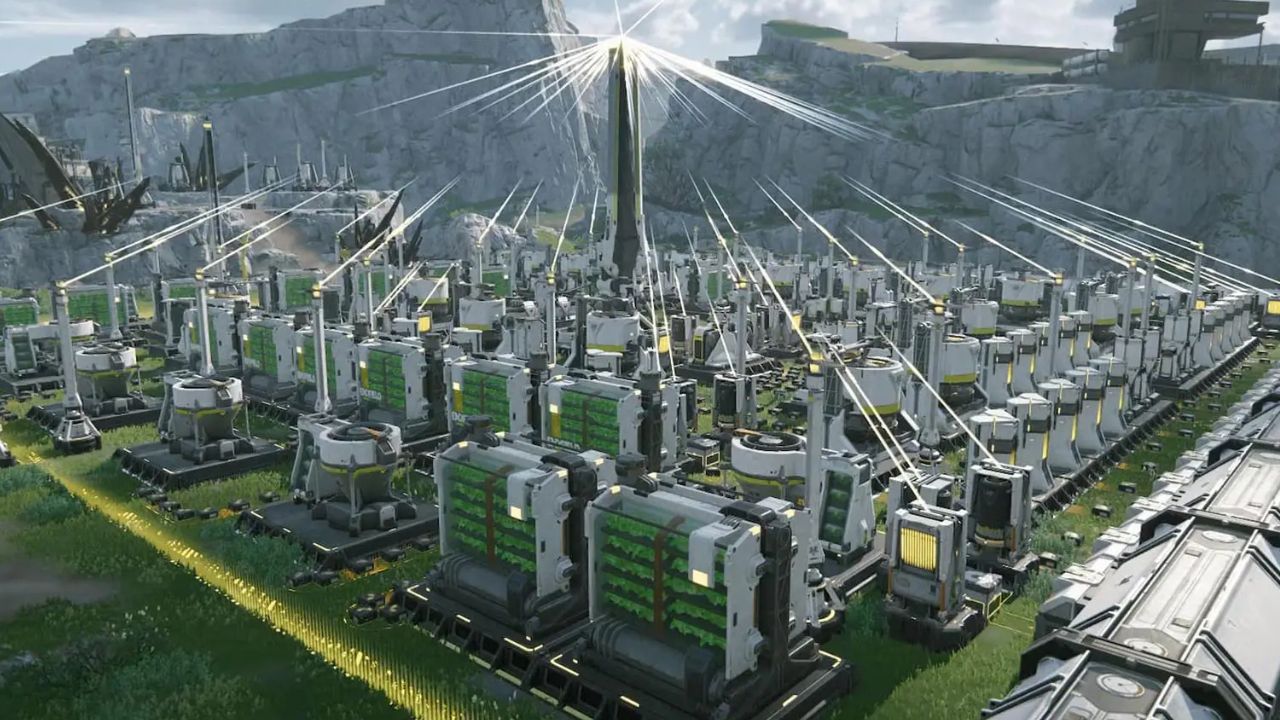
The AIC system in Endfield is your personal factory and command center, an automated production lines that keep running even when you’re out exploring. Just like your base in games like Palworld or Soulmask, progress will keep going even if you’re not physically there. The system pulls in raw materials and turns them into useful stuff like gear, medicine, food, and explosives.
Your base in Endfield is crucial for you to progress further in the game. The gear upgrades your operators need? They come from here. The supplies you need for tougher content? Also from here. The game basically forces you to engage with base building, but it makes sense once you see how everything connects.
Why You Should Care About Base Building
Let me break down the four main reasons the AIC matters:
Gear Production
Your operators can equip gear just like in any RPG. Early game gear doesn't seem like much, but late game? It makes a huge difference. We're talking stat boosts, set bonuses, and various buffs that can turn an okay operator into a powerhouse. The main materials for crafting this gear come straight from your base.
Consumables and Buffs
You can craft healing items and temporary buff consumables at your base. To be honest, these weren't super impressive during the beta testing, and the best consumables actually came from farming instead. But they're still useful to have around, especially when you're tackling harder content.
Construction Materials
Yeah, these mainly feed back into your base, but you need them to progress. They're required for building new facilities, upgrading existing ones, and they even have some use in the overworld. Production chains are necessary here, so you can't skip this part.
Outposts
This is where things get really interesting. As you explore and progress through different zones, you'll unlock outposts. These spots extend your base capacity and request supply orders that automatically fill every minute.
Outposts are very important because they give you Convention Certificates. You can trade these certificates for progression materials, trust items (and trust is hard to get otherwise), and even some gacha pulls. The more you level up your outposts by fulfilling orders, the better rewards you can get.
How Production Lines Work
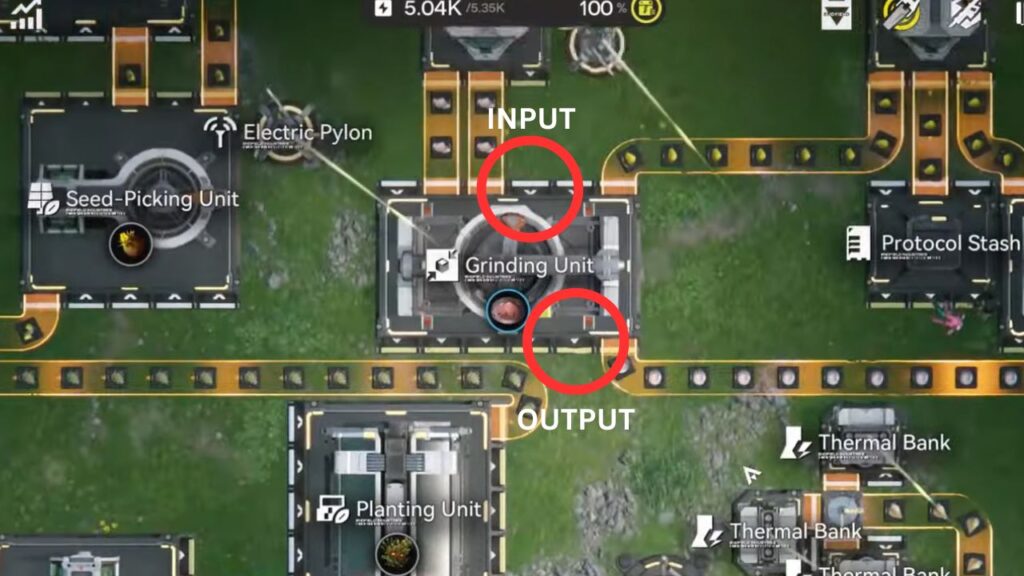
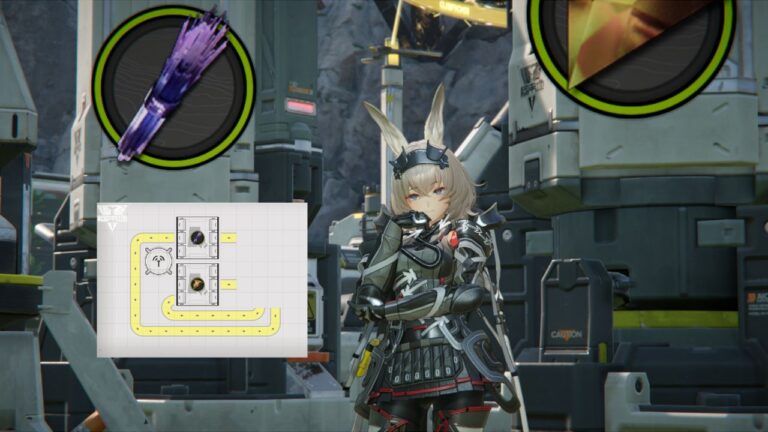
Let's keep this simple. Every building has input slots and output slots. You set your PAC (that's your central building) to output a specific resource, then run a conveyor belt from that output to the input of your facility. Then you run another belt from that facility's output to the next one, or back to your PAC's input at the end.
This creates a loop where resources constantly flow from one facility to the next until you get your finished product. That product gets stored in your depot for whenever you need it.
Power System
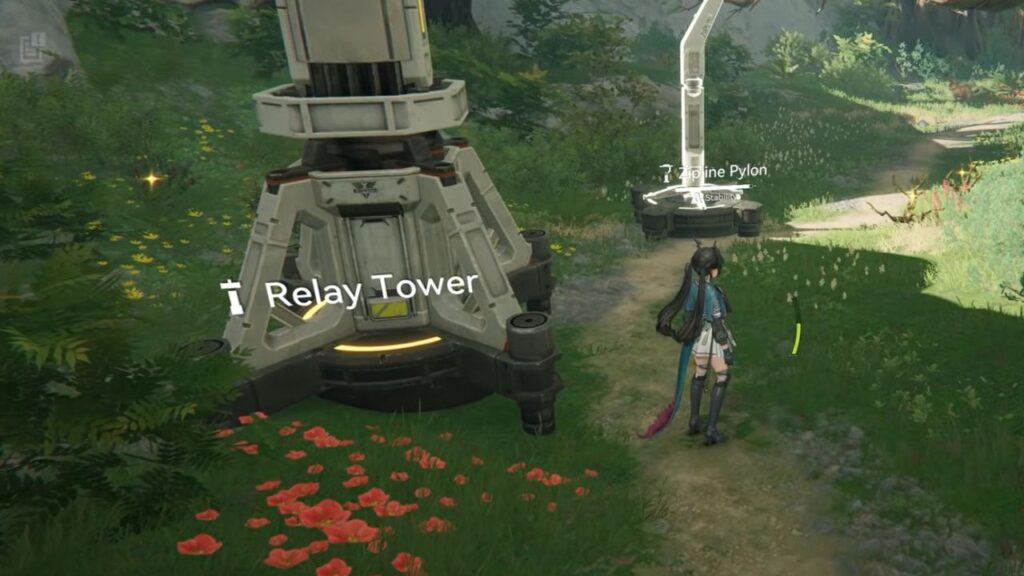
Power is one of the first things you'll deal with, and it's really important. You need it to run your buildings, but also to progress in the overworld. Some gates and devices out there won't work until you power them up.
Power comes from your PAC or sub-PAC (which is just the central building at outposts). You distribute power using Relay Towers, which connect to Electric Pylons that power everything nearby.
Here's how it works:
- Go to your PAC or any existing tower and start a connection
- Walk up to 80 meters away and complete the connection to another tower
- That tower can then power pylons, which wirelessly power all facilities in range
You'll be doing this a lot. It's how you power remote mining spots and unlock new areas. Sometimes you'll need to run really long chains across maps that don't have their own sub-PAC.
Quick tips about power:
- The 80-meter limit is direct line distance, but you usually can't walk in a straight line because of terrain
- You can connect from unpowered towers, so you can build your power grid in reverse if needed
- Towers plug directly into map devices for progression, no pylon needed
- Towers can't plug directly into facilities like mining rigs, you need a pylon for those
- Inside your AIC base, pylons connect automatically, so you don't have to worry about it
Each map has a "Protocol Capacity" that limits how many buildings you can place outside your base. Don't stress about this, you'll probably never hit the limit in normal play.
Mining Resources
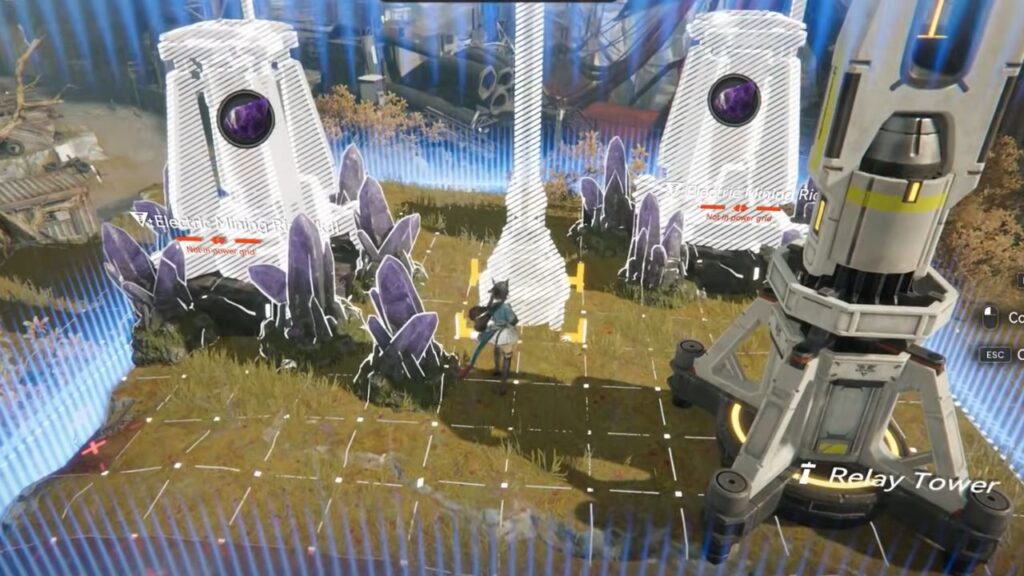
Mining is where you get most of your production materials. Sure, you can gather stuff manually at first (the game will ask you to), but you don't want to be collecting thousands of ores by hand. That's why you build Mining Rigs.
Once you power up a mining rig, it automatically sends ore to your depot. No more manual work.
There are four types of ore you'll mine as you progress:
- Originium Ore - Your starter ore for basic construction.
- Amethyst Ore - The second ore you unlock. You can craft it into gear and use it for some construction materials.
- Ferrium Ore - This is the top-tier ore in Valley IV. You absolutely need it for high-end outpost production.
- Cuprium Ore - The highest ore available in the beta. You can only mine it in Wulong using special water-based miners. It's used for Wulong outposts and the best gear available.
Mechanized Planting
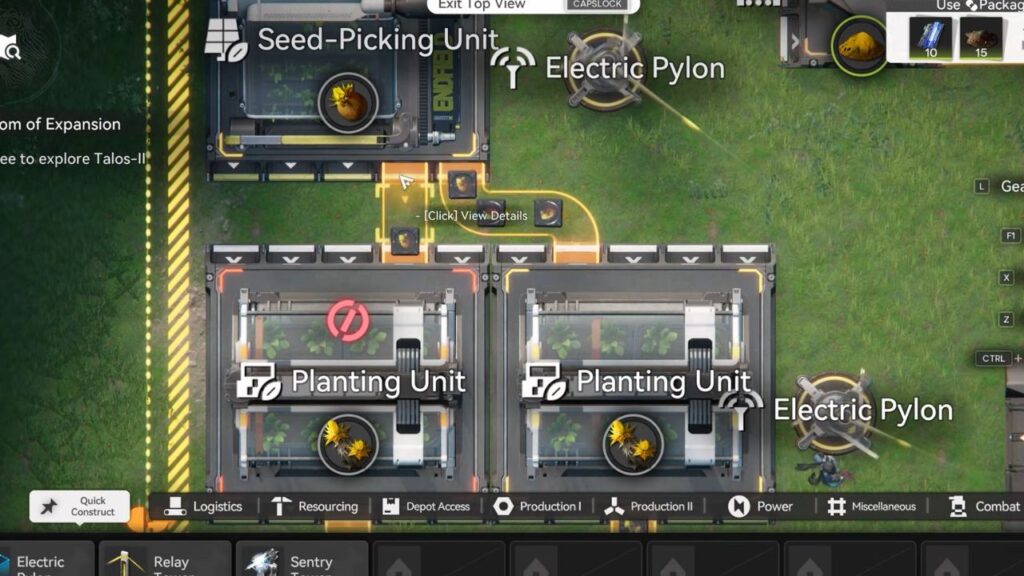
The AIC has Planting Units that automate growing common plants in large quantities. You can deploy sprinklers to automatically water your crops, then harvest them later without much effort.
Quick heads up: automated irrigation probably won't be available right at launch. From what we know, it unlocks after you get resource and mining permits for the Jinlong region.
Some Plants Need Manual Care
Not everything can be automated, though. Certain plants require you to manually grow them in non-Planting Unit plots. For these, you have to create the seed plot yourself, place it somewhere appropriate, then germinate and water the seeds by hand. It's more work, but some special plants are worth the effort.
Unlocking New Features with VR Simulators
As you explore Talos-II, you'll find these VR Simulator stations scattered around the maps. When you interact with them, they activate and give you tutorial missions to complete. Finishing these tutorials unlocks new techniques and facilities for your AIC.
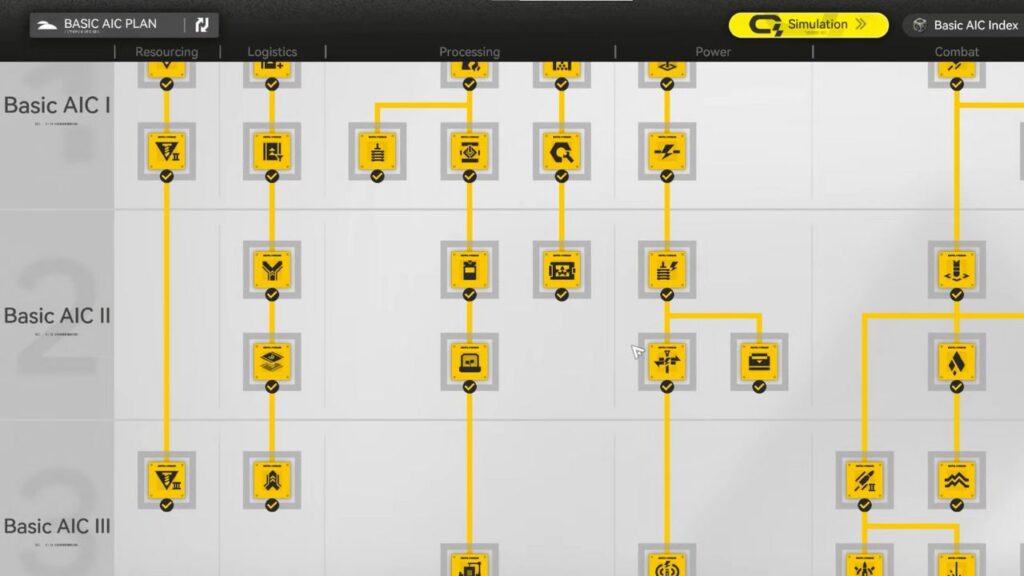
The game calls the currency you earn from these simulators Factory Index points. You can spend these points in the AIC Plan (press T to open it) to unlock new base features. The cool part is that you don't have to spend points on the same technology the simulation taught you, you can unlock whatever you need most.
My advice: Focus on unlocking stuff in tiers I and II first, especially under Resourcing, Logistics, Processing, and Power. These are the basic features that let you actually do serious production. The Combat group is mainly for an optional tower defense mode, so that's low priority early on. Exploration only has ziplines, which are nice but not essential.
AIC for Exploration and Defense
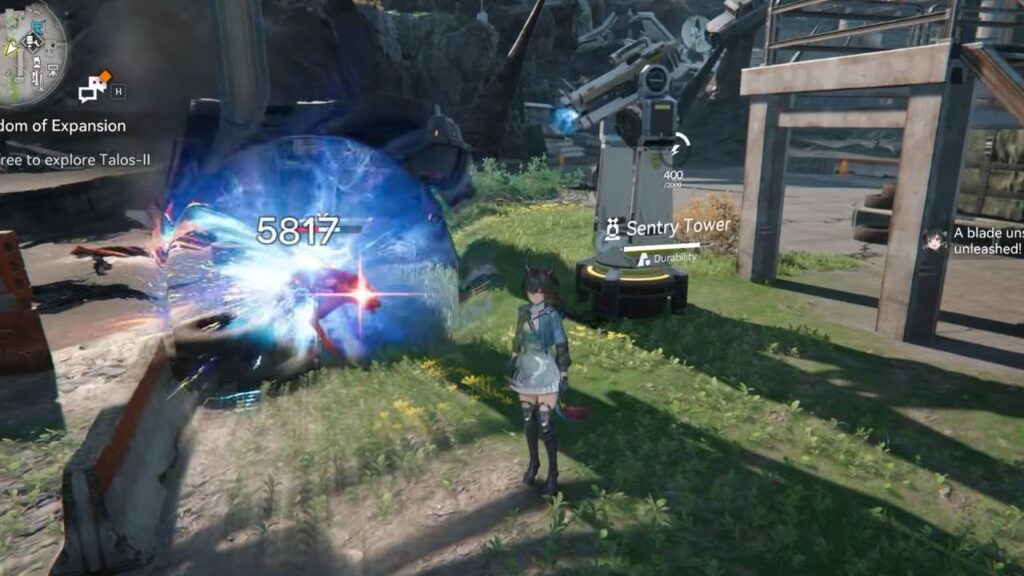
Your base isn't stuck in one place collecting dust. Some facilities actually help you explore the world better. You can build ziplines that create shortcuts to distant locations, and bounce devices that let you make huge jumps to reach spots that would otherwise be a pain to get to.
This is where the AIC system really shows its clever design. The world is full of broken-down ancient machinery blocking your path. To reactivate this stuff, you need to expand your AIC network by placing Relay Points.
These relay towers act like power conduits. Drop one down, and suddenly you can bring nearby dormant structures back online. This opens up new paths and reveals hidden areas. It's not just the usual "activate tower, reveal map" thing, you're actually rebuilding and reclaiming the world as you go.
When you're fighting in areas where your AIC is active, you can get support from combat facilities. These can either damage enemies or heal your team. It's a huge help during difficult battles, giving you that extra edge when things get rough.
Do You Actually Need to Do This?
I know some people hate base building in games. So let's be real about whether you can skip it.
Short answer: You'll mostly be fine if you don't want to go hardcore on the base. But completely ignoring it will cause problems.
The main thing you'll miss is gear. Early on, it's not a big deal, but later in the game, having top-tier gear is mandatory. The good news for base haters: the parts that are actually required are pretty easy. If you really can't stand this stuff, you can just copy what other players are doing for the basic setups.
Outposts are mostly optional, especially the high-end production stuff. Promotion materials aren't that rare, and you can gain trust through the ship too.
Final Thoughts
The AIC system in Arknights: Endfield is designed to be a core part of your experience, not a throwaway feature. It directly ties into your combat power, your exploration capabilities, and your overall progression through the game.
Start small, focus on getting the basics running in tiers I and II, and don't stress too much about optimizing everything right away. As you play and unlock more areas, you'll naturally expand your base and figure out what works best for your playstyle.
The system might seem overwhelming at first glance, but remember, it's designed to work for you automatically once you set things up. Take it one step at a time, and before you know it, you'll have a smoothly running operation supporting your adventures across Talos-II.